Software Engineer, Bibliophile, Tech Enthusiast, Open-Source Contributor, Productivity Geek, Hiker, Conference Speaker, etc. You can follow me on the choice of your social media.
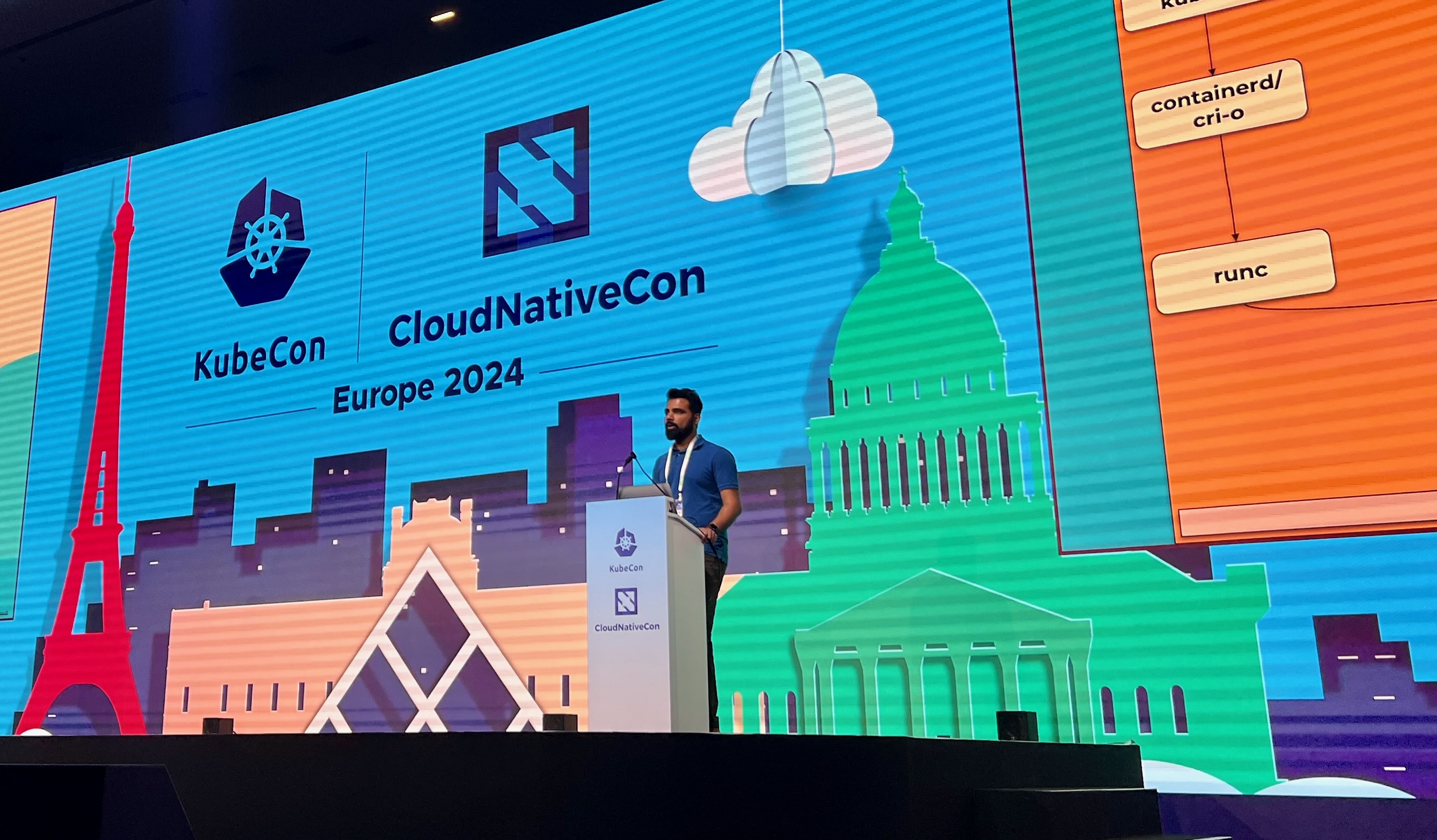
Suraj Deshmukh's talks at conferences
LLMs on Kubernetes: Squeeze 5x GPU Efficiency With Cache, Route, Repeat! - Kubecon North America 2025 Confidential Containers 101: A Hands-on Workshop - Kubecon North America 2024 Fortifying AI Security in Kubernetes with Confidential Containers (CoCo) - Kubecon Europe 2024 Memory Armor for SPIRE: Fortifying SPIRE with Confidential Containers (CoCo) - Kubecon Europe 2024 Misfits - Feat. ContainerSSH and Confidential Containers (You Choose!, Ch. 3, Ep. 10) Confidential Containers: The Next Frontier in Cloud-NativeSecurity - Cloud Native Rejekts 2023 Building Container Defences Executable at a Time - KCD Bangalore 2022 PSP and Beyond - Kubernetes Bangalore Meetup June 2021 Hardening Kubernetes by Securing Pods - Rootconf 2019 State of Kubernetes Meetups - DevOpsDays India 2017 Making Kubernetes Simple For Developers - Rootconf 2017 Taking docker-compose to Production - Gophercon 2017 Lightening talk
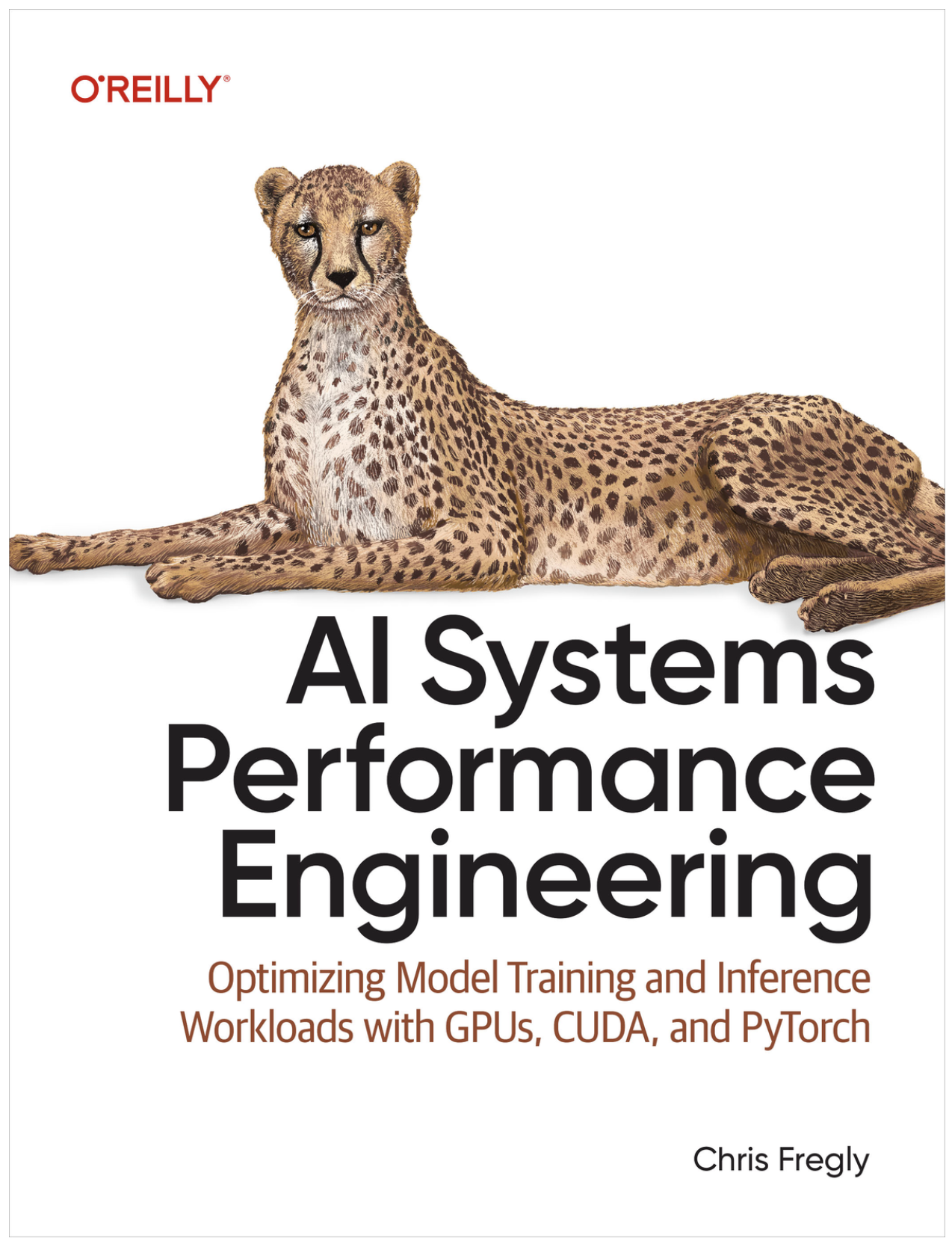
Visualizations for the book 'AI Systems Performance Engineering'
I am working through AI Systems Performance Engineering by Chris Fregly. The first two chapters cover training compute estimates and the hardware that runs those workloads. I put together these visualizations to follow the calculations and see how the components connect. Like my visualizations for Inference Engineering, these are companions to specific parts of the book. Each link below includes its chapter so you can open the relevant diagram as you read. ...

Ghostty as a Shell for Herdr
One terminal inside another I use Herdr every day to run AI coding agents. It is a terminal workspace manager: think tmux, but mouse-first and agent-aware, with a sidebar that shows what every agent is doing across all my projects. Once Herdr owns the workspaces, tabs, and panes, the terminal emulator around it only needs to draw text fast and stay out of the way. For me, that outer terminal is Ghostty. Out of the box, though, the two fight over the keyboard. Ghostty ships with its own macOS-native defaults: Cmd+T opens a Ghostty tab, Cmd+1..9 switches Ghostty tabs, and Cmd+D splits a Ghostty pane. Herdr wants those same chords for its tabs, workspaces, and splits. A keystroke has to survive three layers before Herdr sees it: the OS, the outer terminal, and whatever is running inside the pane. Ghostty was eating mine at layer two. ...
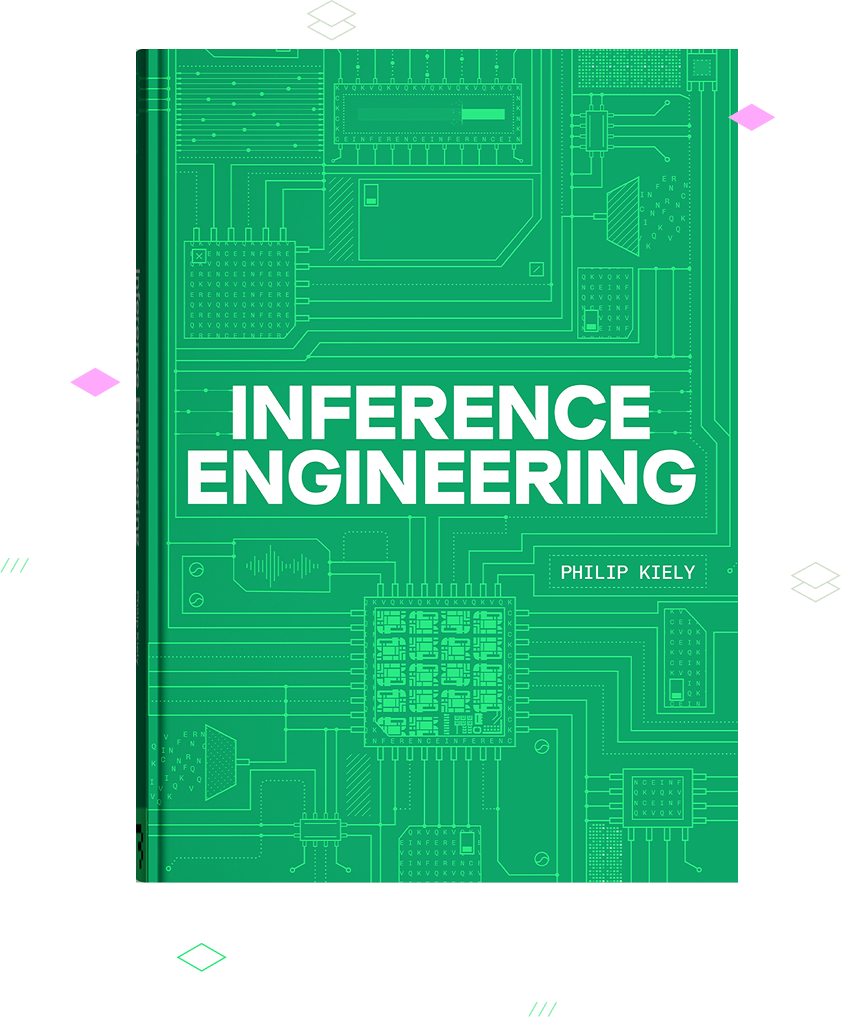
Interactive Visualizations for the book 'Inference Engineering'
I have been working through Inference Engineering by Philip Kiely — a book for engineers who want to understand the technologies that power every AI company and application in the world. Along the way I built a handful of interactive visualizations to make some of the denser chapters click for me. Reading about attention or the roofline model is one thing; being able to drag a slider and watch the numbers move is another. ...
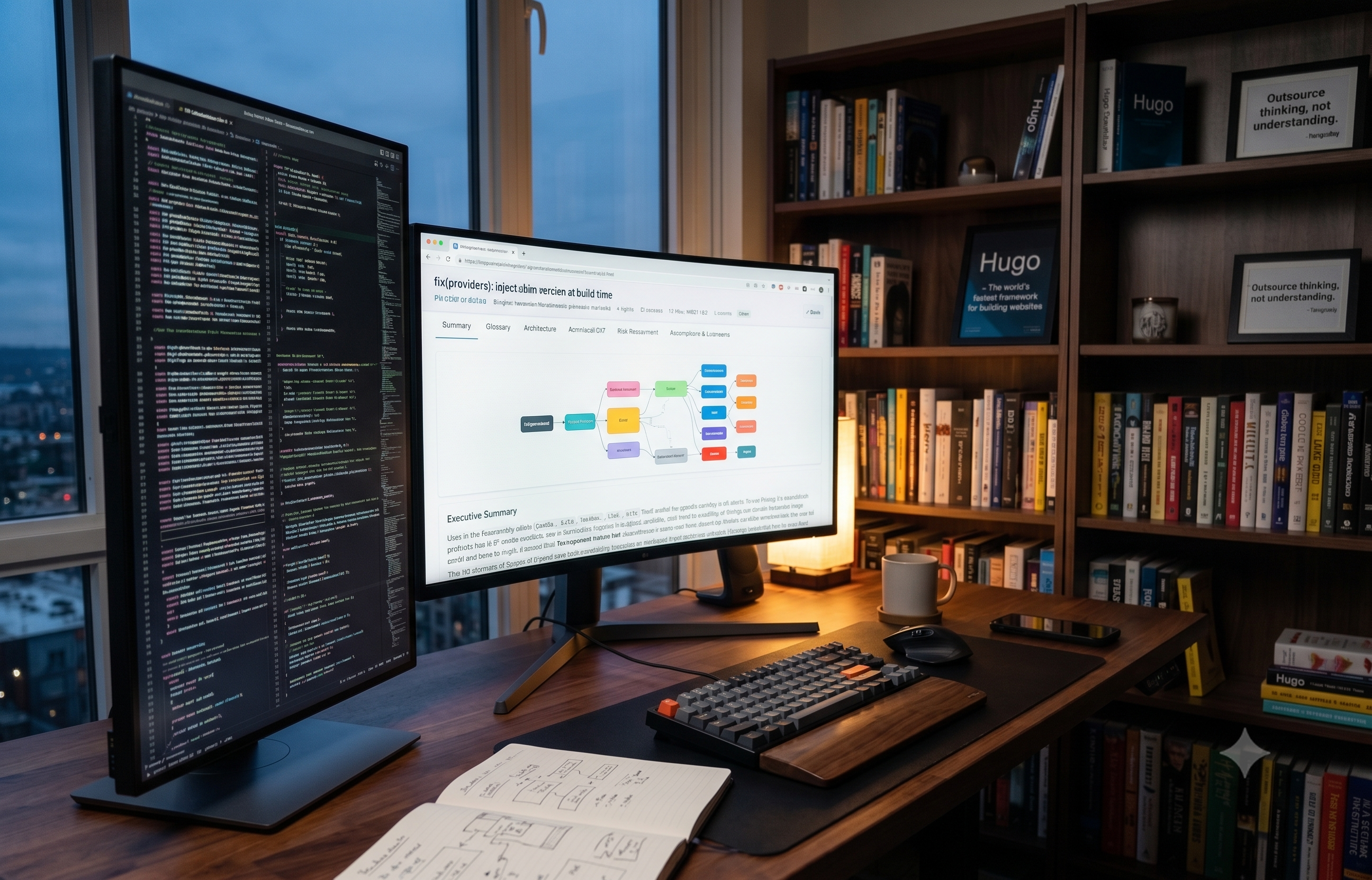
The Ironies of AI Coding: Combating Cognitive Debt with Visual PRs
With the advent of AI coding agents, multi-thousand-line Pull Requests are becoming the new normal. The models are churning out massive amounts of code, and keeping up is getting exponentially harder. Because I don’t have a granular understanding of every single line being merged, I’m finding it increasingly difficult to generate accurate mental models of the system’s new features. For humans, mental models are everything. We need context and an adequate knowledge of the system to reason about new architecture, confidently add features, or know exactly where to look when a production bug inevitably surfaces. ...
Will AI Agents be the Death of YAML?
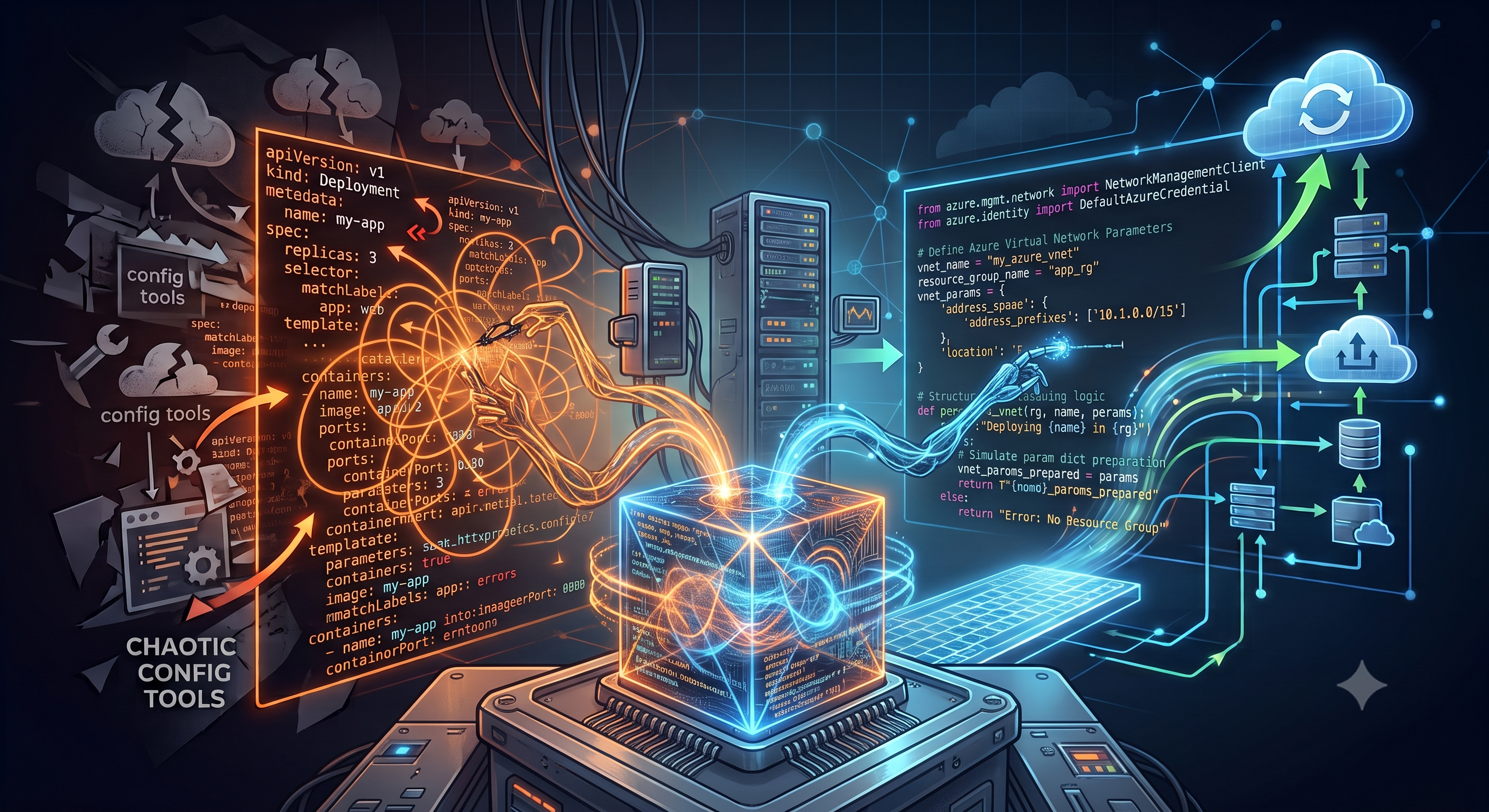
Stop Making Agents Write YAML At @Scale: Systems and Reliability this year, Pulumi’s Joe Duffy put a name to a problem a lot of us have been quietly routing around for years. He called it the “agentic infrastructure gap.” The setup is familiar. Andrej Karpathy has compared getting an app into production to assembling IKEA furniture: cloud consoles, API keys, configuration copied from somewhere, and a fair amount of duct tape holding it together. AI has accelerated application coding so dramatically that the bottleneck has completely shifted; writing the app is fast, but getting it running is the new hurdle. And the part that matters is that almost none of that deployment process lives anywhere an LLM can actually reason about. ...
Setting Up OpenClaw with Azure AI Foundry
Introduction OpenClaw is a self-hosted gateway that connects your favorite chat apps — Telegram, WhatsApp, Discord, iMessage, and more — to AI coding agents. It runs locally on your machine, keeping your data under your control while giving you the flexibility to interact with AI assistants from anywhere. In this post, we’ll walk through how to configure OpenClaw to use a model deployed on Azure AI Foundry as its backend. ...
Running Linux Containers Natively on macOS with Apple's Container CLI
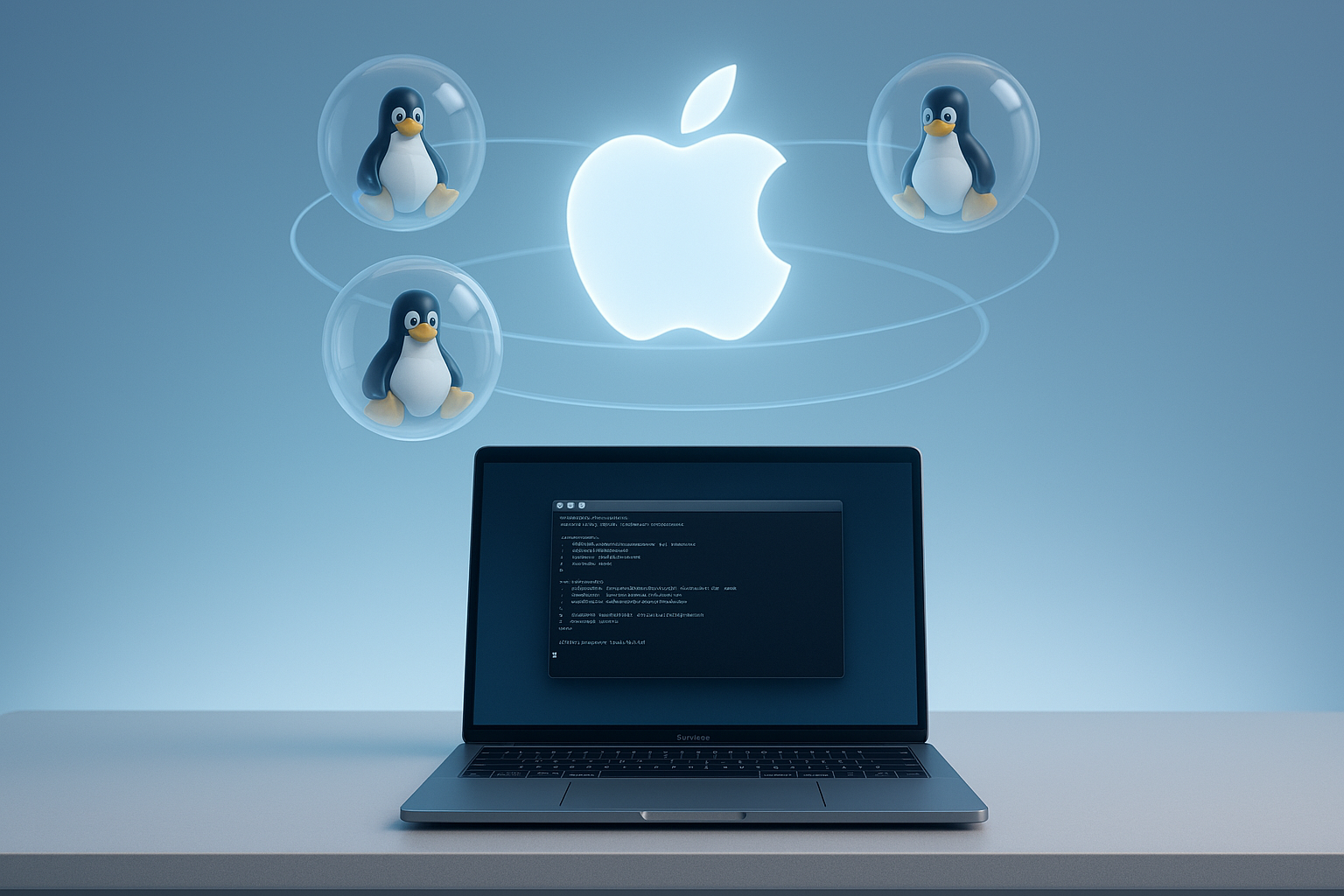
Apple now ships a native container CLI tool for macOS — and yes, that means you can run Linux containers without Docker Desktop. Built on top of Apple’s Containerization Swift package and the Virtualization.framework, it spins up lightweight Linux VMs that run OCI-compatible container images with sub-second startup times. It feels native because it is native. In this post, I’ll walk you through installing the container CLI, running your first container, allocating resources for heavy AI workloads, and troubleshooting a common macOS firewall issue that tripped me up the first time I used it. ...
Deploying Kimi K2.5 on Azure: A Complete Guide to Running MoonshotAI's Model
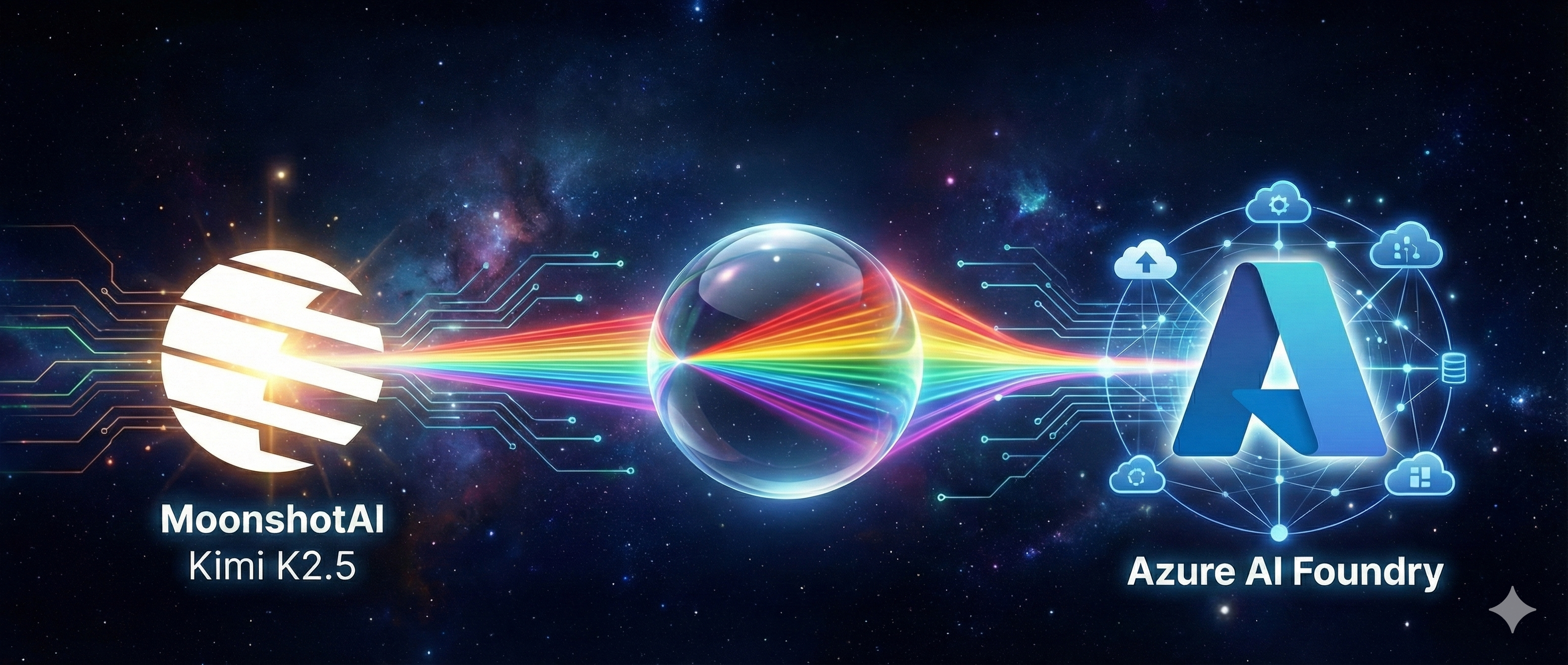
Kimi K2.5 is MoonshotAI’s latest powerhouse, offering sophisticated reasoning capabilities and a massive context window. Now that it’s integrated into Azure AI Foundry, enterprise users can deploy it with the same security and scalability as the GPT family. Beyond its raw specs, Kimi K2.5 is exciting because it has established itself as one of the premier OSS models for agentic workflows, proving to be a strong performer with frameworks like OpenClaw. In this guide, we’ll bypass the portal and use the Azure CLI to stand up a production-ready Kimi K2.5 instance. ...
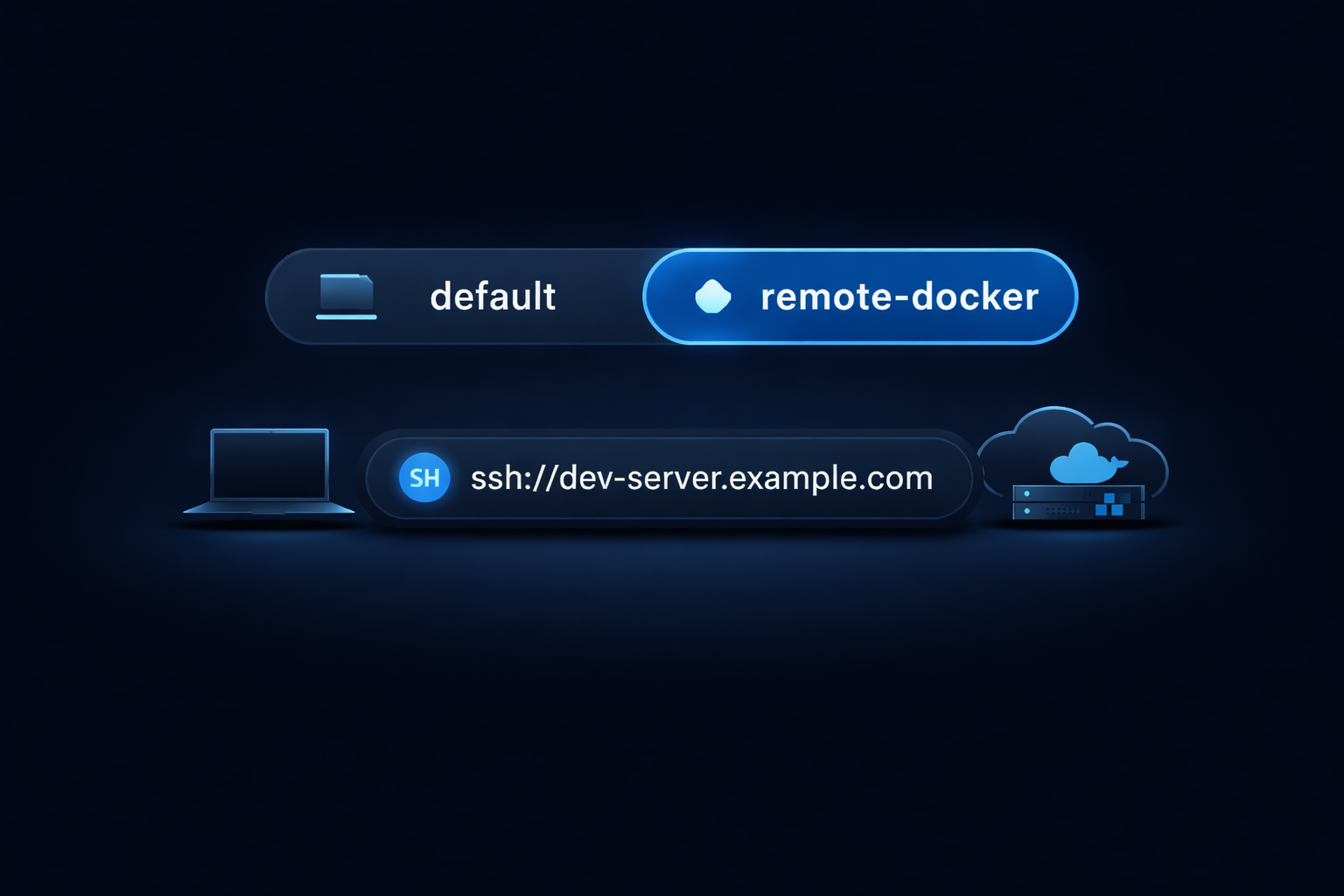
Running Docker Commands on a Remote Machine via SSH
Have you ever wanted to run Docker commands on a remote machine without logging into it every time? Maybe you’re working with a cloud development box, testing on different architectures, or simply leveraging more powerful remote compute resources. Whatever your use case, Docker’s built-in SSH support makes this incredibly straightforward. I use a Macbook (which is ARM-based) for my local development, and a lot of times I need to build container images for amd64 architecture, also I don’t wanna run a bulky Docker Desktop locally. ...